

Is Gold Losing Its Shine?
After two years of strong gains, gold prices have pulled back noticeably since the conflict in Iran began.
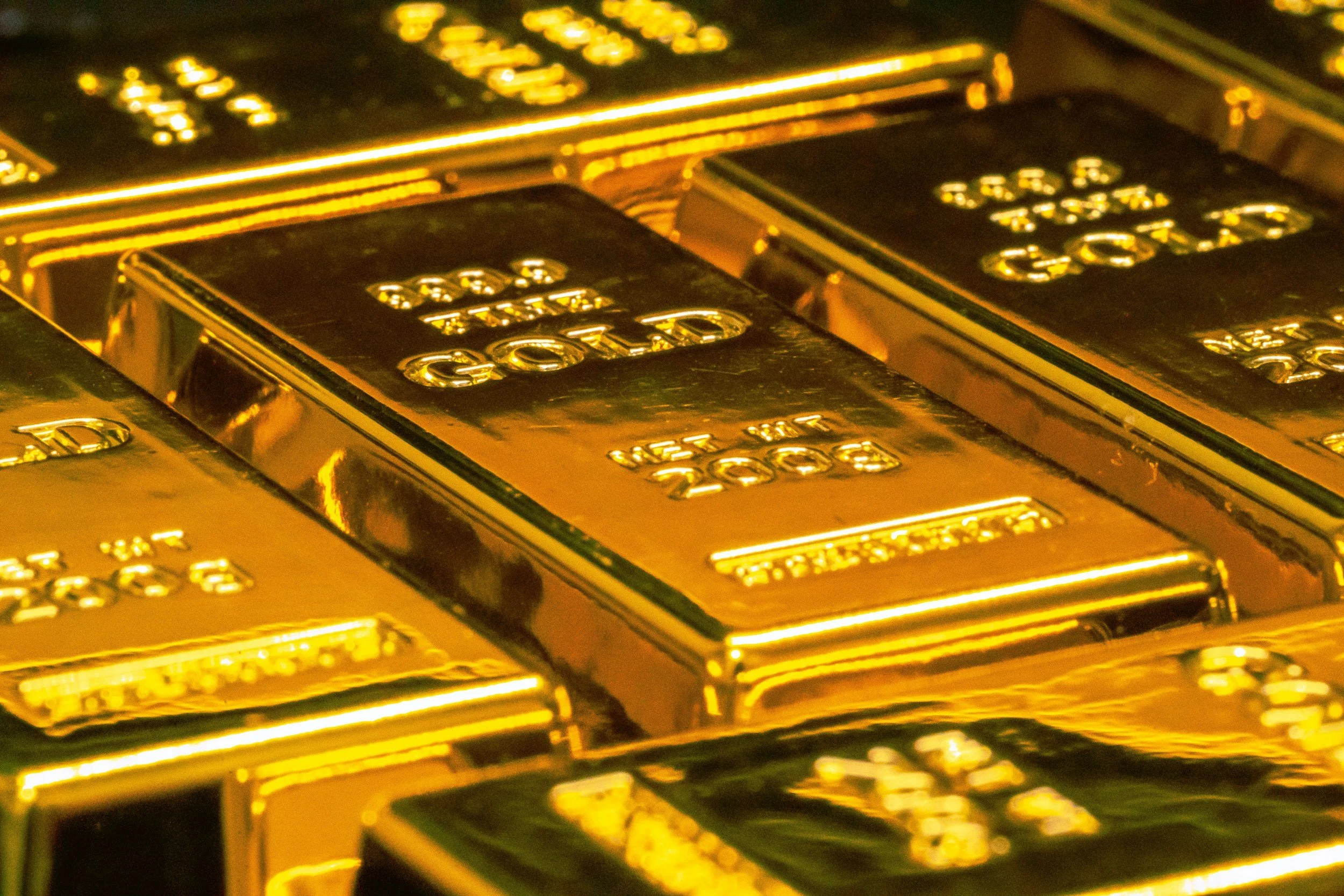
Gold has served as a store of wealth for thousands of years thanks to its rarity and unique properties. After hitting record highs at the beginning of 2026, prices have fallen sharply following the outbreak of conflict in the Middle East. Other assets may better serve defensive or momentum-driven roles within a diversified portfolio.
In the ancient Varna Necropolis in Bulgaria, one of the oldest known burial sites in Europe, dating back to around 4500 BCE, archaeologists uncovered some of the earliest known gold artefacts and jewellery. This discovery highlighted humanity’s long fascination with the yellow metal.
For millennia, gold has been treasured not for its practical utility (it is chemically inert and relatively soft), but for its beauty, scarcity and resistance to corrosion. These same qualities made it ideal for jewellery, coins and as a reliable store of value through wars, empires and economic upheaval.
The recent surge in gold
Although often viewed as a safe-haven asset, gold’s performance has been far from consistent over time. In the 1970s, it enjoyed a prolonged bull market amid high inflation and economic uncertainty. However, as inflation eased and the US dollar strengthened in the 1980s, gold prices collapsed and remained subdued for decades, only surpassing their 1981 peak (in nominal terms) in 2007.
More recently, gold experienced another strong run. From around $2,000 per ounce at the start of 2024, it climbed to over $5,000 per ounce by early 2026.
Several factors supported this rise: persistent inflationary concerns, reduced confidence in the US dollar linked to shifting foreign policy, and central banks increasing their gold reserves. Lower interest rates also played a role by reducing the opportunity cost of holding a non-yielding asset.
Yet even strong two-year returns represent just a short chapter in gold’s very long history. The sharp reversal seen in March 2026 underscores the risks associated with the metal.
A shift in momentum?
Since the conflict in Iran began, gold prices have declined significantly from their recent peaks. Rising geopolitical tensions have paradoxically strengthened the US dollar, while expectations of higher interest rates, driven by renewed inflationary pressures from surging oil and gas prices, have weighed on gold. With energy costs climbing and broader struggles in equity and bond markets, many investors have sought safety in cash and the dollar rather than gold. As a result, the metal, which had reached historically elevated levels, has come under pressure.
Should gold have a place in portfolios?
Establishing a clear intrinsic value for gold is challenging because it produces no cash flow and derives its worth largely from scarcity, historical role as a store of value, and market demand.
Historical data shows that gold has experienced notable price fluctuations. Since 2000, its annualized volatility has often been in a similar range to that of major equity markets, which is higher than many traditional defensive assets.
High-quality fixed-income securities, by comparison, have historically exhibited lower volatility and provided regular interest payments.
Gold can provide diversification because its returns have historically shown low or negative correlation with stocks and bonds during certain inflationary or geopolitical stress periods. Many analyses suggest allocations of 5–15% in a diversified portfolio for potential hedging benefits, though optimal sizing varies by investor goals and risk tolerance.
As with any asset, gold's future performance depends on evolving economic, geopolitical and monetary factors, and prices can change rapidly in response to new events.