

Markets on Edge as Middle East Tensions Escalate
Global markets are feeling the strain as escalating conflict in the Middle East pushes energy prices higher and adds fresh layers of uncertainty. While economic growth has so far held up reasonably well, rising inflation risks and geopolitical pressures are beginning to weigh on investor sentiment.
Markets Pull Back Amid Rising Geopolitical Risks
Since our mid-February update, global equity markets have declined modestly, with major indices down in the low-to-mid single digits. Despite intensified conflict in the Middle East, the global economy has remained relatively resilient, though it is now entering a more delicate and constrained phase.
Growth forecasts have been trimmed slightly, while inflation risks are edging higher. The primary catalysts include heightened geopolitical tensions, renewed trade tariff threats and sharply rising energy costs.
Over the past week, Wall Street and other major markets closed lower. Investors reacted to volatile swings in crude oil and liquefied natural gas (LNG) prices, persistent uncertainty and indications from the US Federal Reserve that interest rates may remain elevated for longer than previously expected.
Energy Price Shock Feeds Through to the Economy
As tensions involving Iran intensify, energy prices have surged. This is quickly translating into higher costs for consumers and businesses, from gasoline at the pump to broader food and transportation expenses.
These increases are squeezing household budgets, raising manufacturing costs and eroding consumer confidence in many countries. Central banks around the world are monitoring these developments closely for their potential inflationary effects.
The duration of the conflict will be critical. A prolonged disruption could push inflation meaningfully higher and keep financial markets under pressure. Conversely, a rapid de-escalation or ceasefire could quickly improve the outlook and relieve some of the strain.
A Challenging Outlook Without Diplomatic Breakthrough
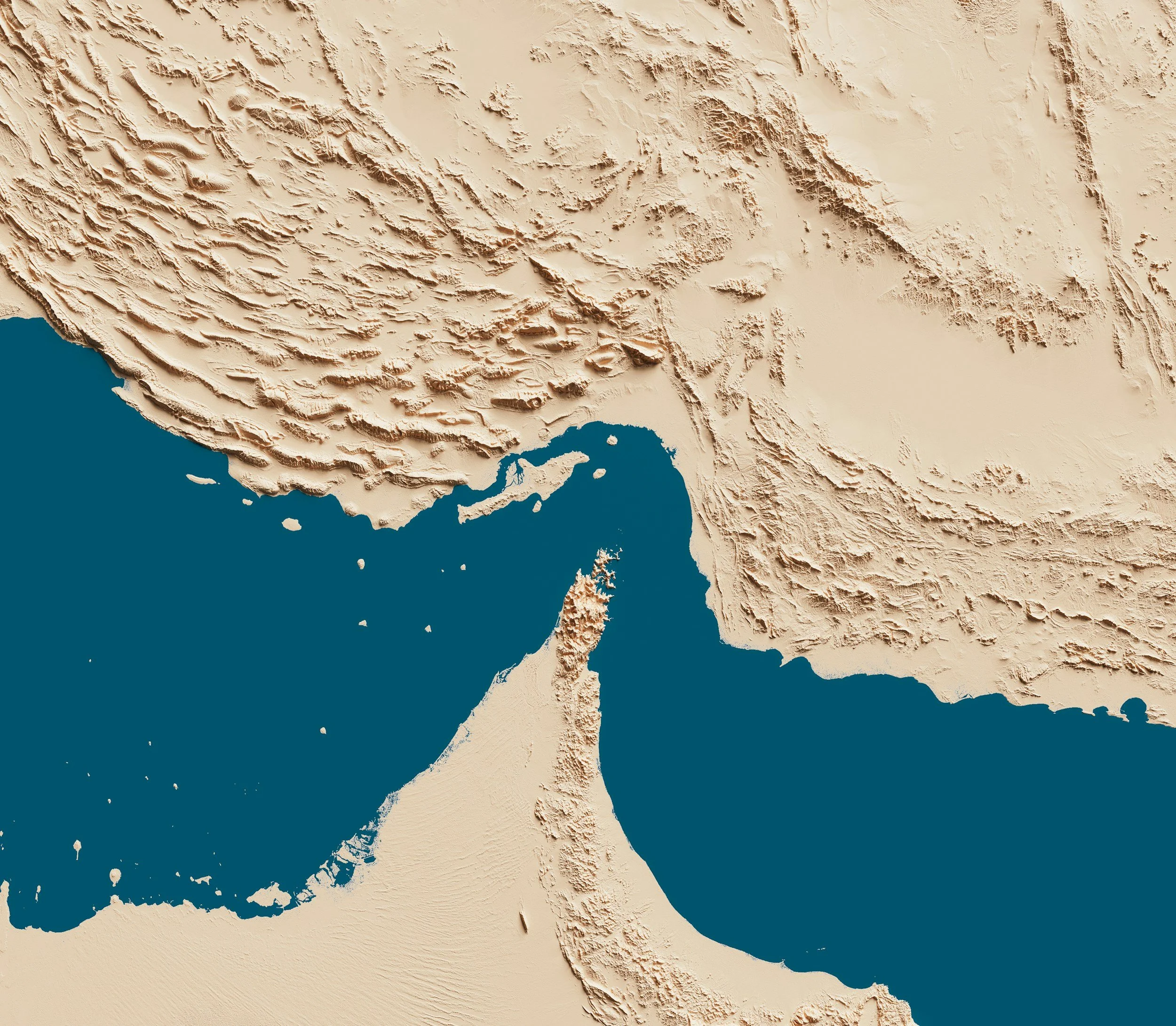
With little visible progress toward de-escalation, the geopolitical environment remains difficult. A key point of vulnerability is the Strait of Hormuz, which handles roughly one-fifth of global oil shipments.
If the strait were to reopen fully and operate stably, energy prices could ease rapidly, providing relief to global markets and energy-importing nations.
History shows that sudden oil price spikes have often triggered equity market sell-offs, as seen during the 1990–91 Gulf War and the early stages of the Russia-Ukraine conflict in 2022. In both cases, markets eventually recovered once prices stabilized.
This time, however, the reaction has been more muted: oil prices have risen more than 40%, yet energy company stocks have advanced only around 8%. This suggests many investors are betting the spike will prove temporary. That view may turn out to be overly optimistic, especially following recent attacks on critical LNG infrastructure in Qatar, where repairs could take considerable time even if shipping routes reopen.
Energy-importing regions, particularly Europe and large parts of Asia, have felt the impact most acutely. The United States, thanks to its high degree of energy self-sufficiency, has been relatively better insulated, which is reflected in the comparatively stronger performance of its equity markets so far.
Sentiment Turns More Cautious
At the start of 2026, investor mood was notably more upbeat, supported by solid growth and earnings momentum. That optimism has now faded after several weeks of conflict, repeated infrastructure attacks and shifting political statements.
Recent headlines have added to the unease. President Trump has warned of potential strikes on Iranian power facilities unless the Strait of Hormuz reopens, extending an initial 48-hour ultimatum to five days, while also claiming the US and Iran have engaged in talks, a suggestion Tehran has strongly rejected.
Iranian President Masoud Pezeshkian has dismissed the US threats as a sign of “desperation,” maintaining that the strait remains open to all nations except those violating Iranian territory.
Central Banks Adopt a Watchful Stance
Major central banks in developed markets have held policy rates steady while signaling they stand ready to respond if the energy shock begins to fuel broader inflation.
In the US, the Federal Reserve continues to weigh risks to the labor market against rising price pressures. Markets now price in no rate cuts for the remainder of 2026.
In Europe, the European Central Bank has highlighted that higher oil and gas costs will have a “material impact” on near-term inflation and has already revised its 2026 inflation projections upward. Policymakers remain prepared to adjust policy if needed.
In the UK, the Bank of England has kept rates unchanged, warning that sustained energy price increases could necessitate further tightening.
In Japan, authorities remain especially cautious given the country’s heavy dependence on imported energy.
Trade Tensions Add to the Uncertainty
While the Middle East conflict dominates headlines, trade frictions between the US and China are resurfacing. Beijing has pushed back against new US Section 301 investigations into industrial overcapacity. US officials have indicated that these probes could lead to fresh tariffs on imports from China, India, Japan, South Korea, Mexico and the European Union as early as this summer.
This development introduces yet another source of uncertainty at an already sensitive moment for global markets.
Staying Grounded in Uncertain Times
The current environment is undoubtedly challenging. However, history reminds us that maintaining a disciplined, diversified investment approach through periods of volatility has often rewarded patient investors over the long term.
More cautious investors may prefer to dial back risk exposure in the near term, especially while inflation pressures are building. At the same time, episodes of heightened uncertainty frequently create selective opportunities for those with a longer-term horizon.
As events unfold, volatility is likely to stay elevated. Clear communication from policymakers and any meaningful progress toward de-escalation in the Middle East could help stabilize sentiment and markets.